About me
I'm Matteo Arellano.
I studied finance and have worked in financial analysis, corporate restructuring, digital products, data and business development.
I'm interested in how investment, entrepreneurship and technology can help address practical economic needs, especially in regions that receive too little serious attention.
Apply to collaborate ↗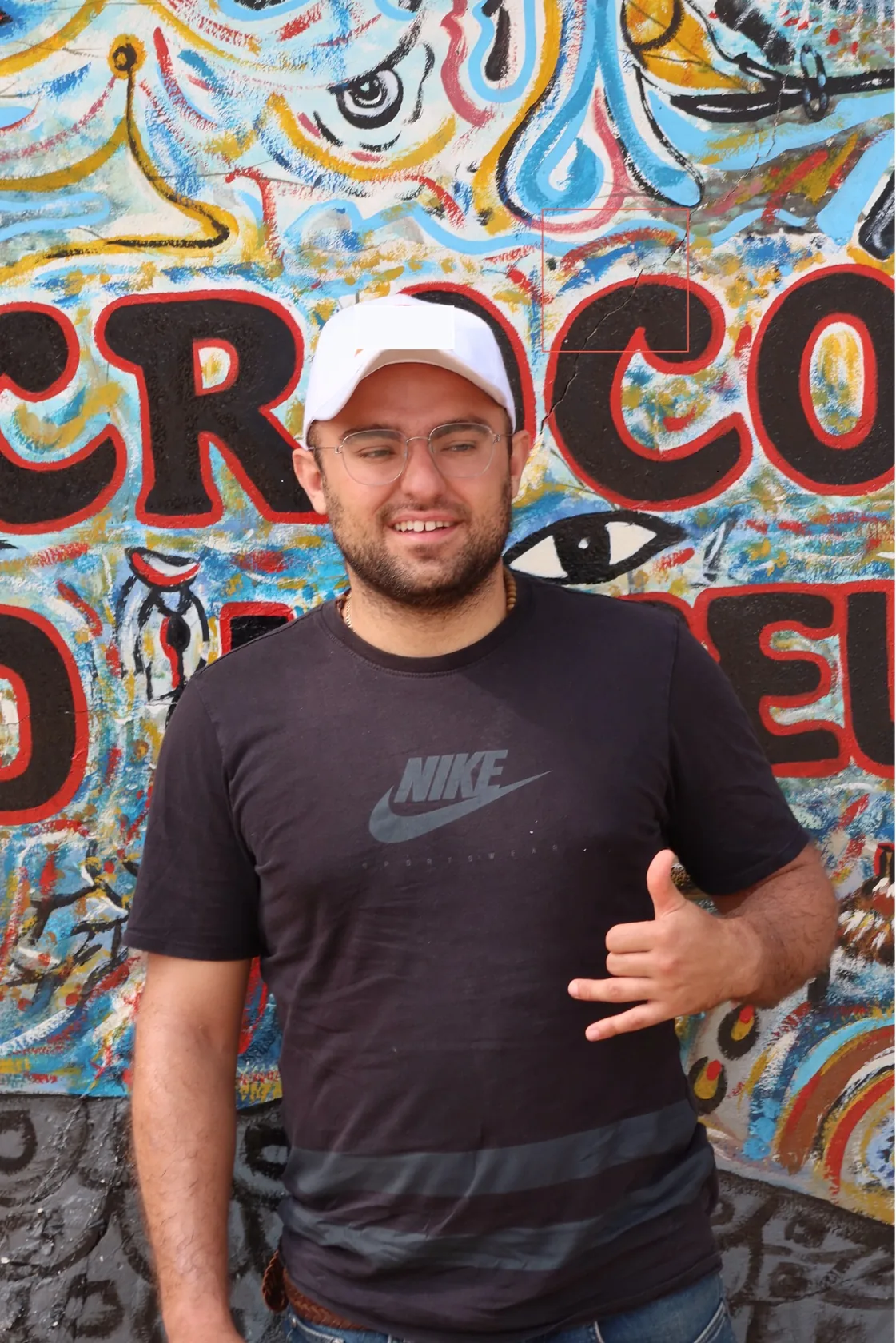
Why I started Sahel in Full
In my work I look at financial models, operational problems, digital systems and how businesses grow. In the Sahel and West Africa, I want to apply that same practical curiosity to bigger questions: how economies create jobs, why infrastructure matters, where private investment can succeed, and what people are already building locally.
My interest is both personal and professional. I want to keep learning about the region, meet people doing the work, and publish analysis that is clear about its sources and its limitations.
My experience includes finance and restructuring work at the European Investment Bank, as well as projects involving technology, APIs, payments, analytics and commercial strategy.
See my professional work ↗From my travels
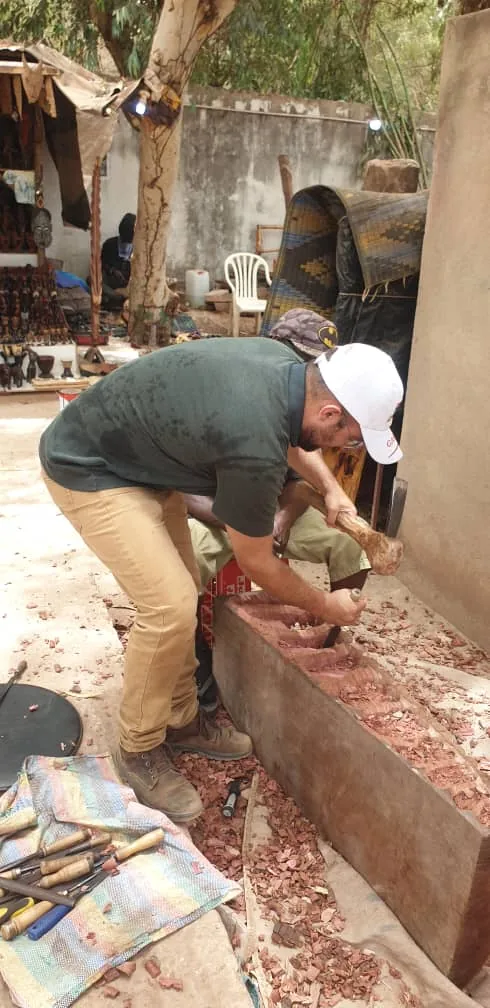
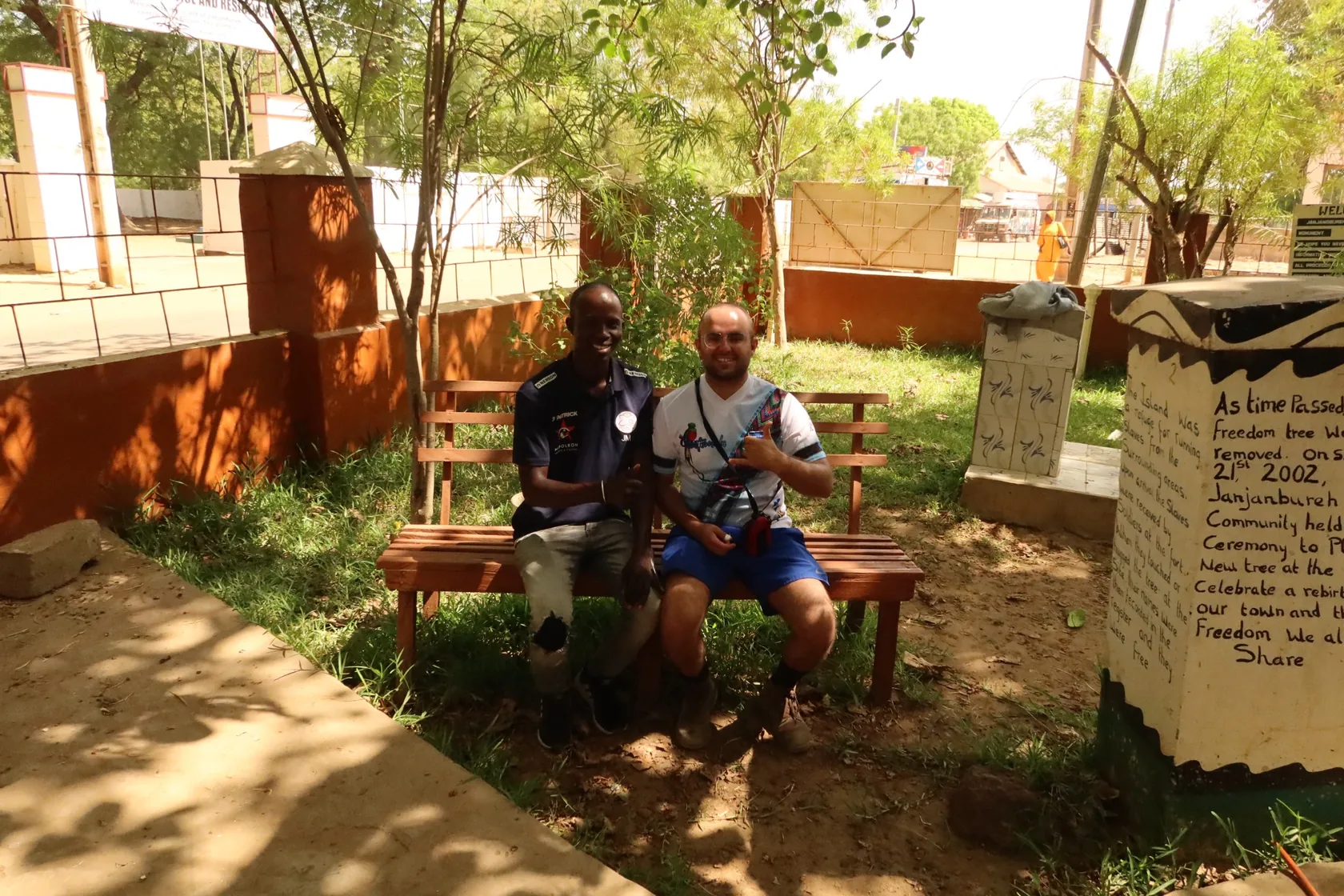
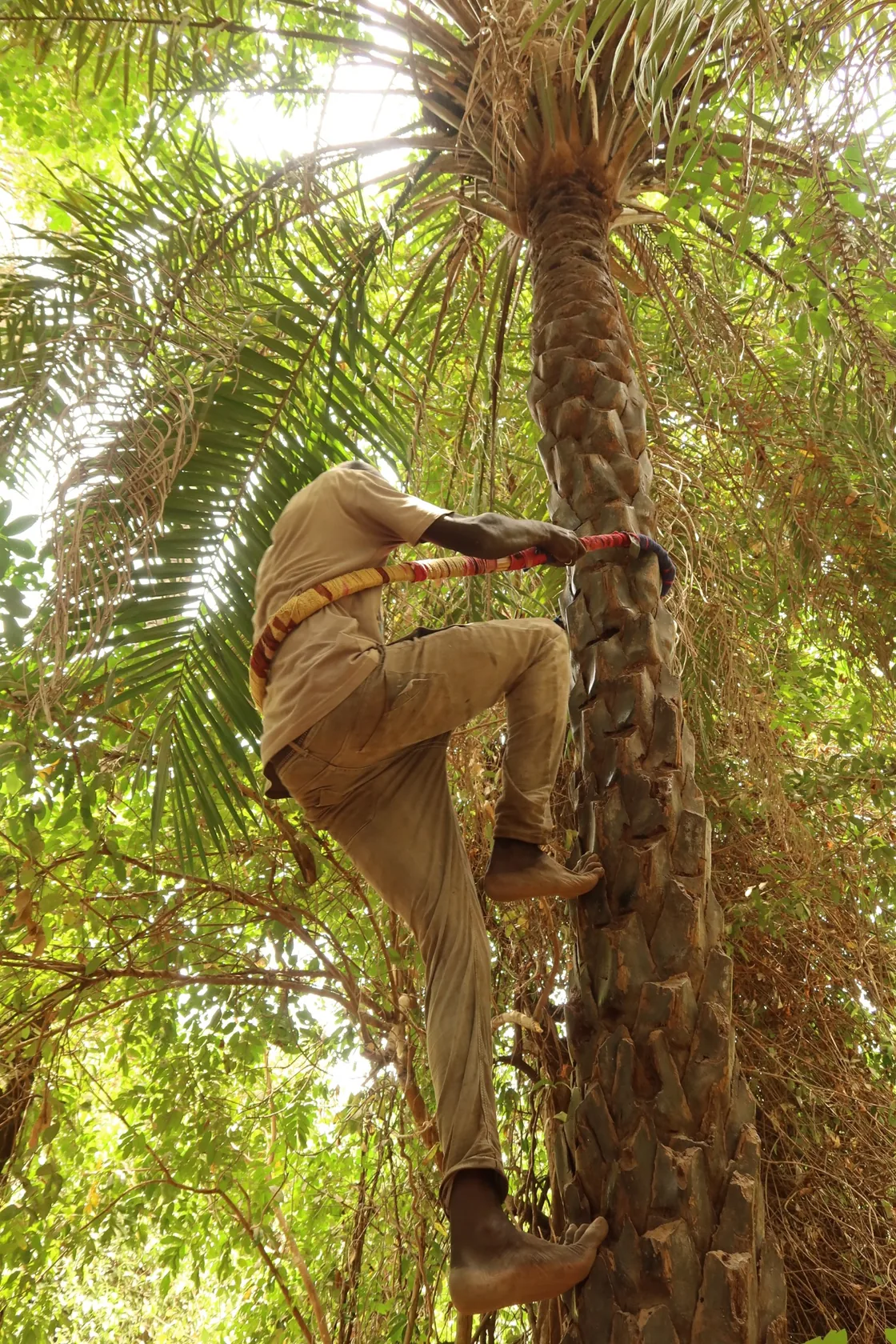
These are personal photographs from The Gambia. They're part of what makes me want to learn more about the people and the region.
Economic development
My investment thesis
The Sahel's economic prospects rest on several concrete factors: fast population growth, demand for affordable basic services, large agricultural systems, solar potential and important mineral resources in particular countries. A 2024 World Bank statement estimated that more than 58 million people in the Sahel were under 25.
The wider region produces millet, sorghum, rice, groundnuts, sesame, cotton, livestock and fish. Its natural and economic assets include gold, uranium, iron ore, phosphates, trade corridors and productive land. The mix is different in each country.
Potential doesn't make an investment viable by itself. The real work is understanding prices, distribution, finance, regulation, security, institutions and local partnerships. My aim is to examine projects and sectors on those terms, and ask who benefits from the value created.
Relevant starting points: United Nations World Population Prospects, IEA electricity access research and World Bank regional economics.